
How to Look After Your Bathroom Plants
Bathroom plants are more than a trend — they are an interior staple. These verdant companions not only beautify sterile spaces but also promote tranquillity and improved air quality. Interestingly, bathrooms offer a microclimate that, when properly leveraged, mimics the native habitat of many tropical species. With the right approach, your bathroom can become a lush sanctuary teeming with botanical life, with properly cared-for plants.
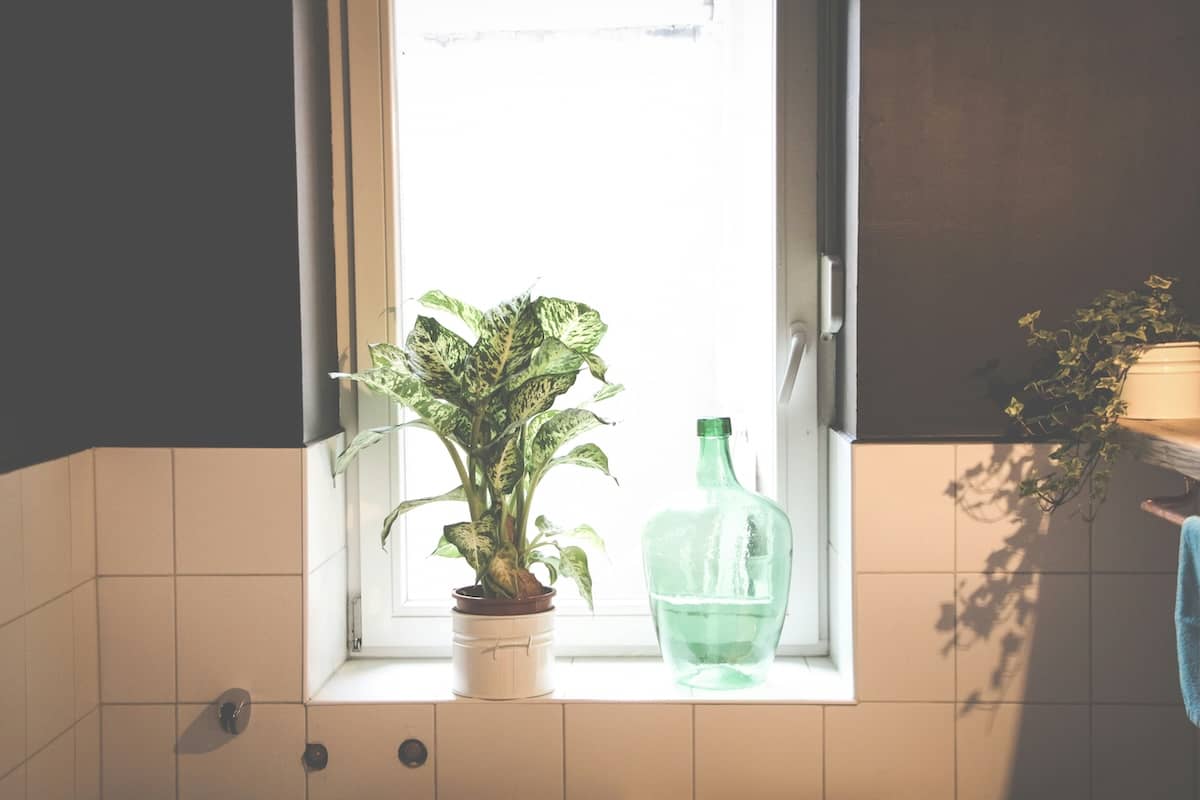
Choosing the Right Bathroom Plants
Light Levels
Before introducing any foliage into your bathroom, assess its light conditions. Bathrooms are often windowless or poorly lit. Even with a frosted window, the intensity and duration of light may be minimal.
Choose plants that tolerate low light, such as Zamioculcas zamiifolia (ZZ plant), Sansevieria (snake plant), or Aspidistra elatior (cast iron plant). If your space is especially dim, consider supplementing with full-spectrum grow lights to simulate natural sunlight.
Humidity-Loving Plant Varieties
The steam from daily showers creates a humid atmosphere ideal for species that would wither in drier rooms. Think ferns, Calathea, Philodendron, Pothos, and Maranta (prayer plant). These plants not only tolerate humidity—they crave it. Their leaves will often grow broader and more vibrant when given the moisture-laden air bathrooms naturally provide.
Read More: What are the Best Plants for Your Bathroom?
Understanding Light and Placement
South-Facing vs. North-Facing Bathroom Windows
South-facing windows invite abundant sunlight and are ideal for light-hungry plants like aloe vera or succulents—though these are not typical bathroom dwellers due to their dislike for humidity. North-facing windows, conversely, provide gentle indirect light, perfect for moisture-loving understory plants. Assess the direction and adjust your selections accordingly.
Creative Placement Solutions for Low-Light Spaces
Limited space doesn’t mean limited potential. Hang trailing varieties like Epipremnum aureum (Pothos) from ceiling hooks, or place petite pots on shelves or window sills. Magnetic planters can adhere to mirrored cabinets, and suction cup holders are excellent for glass shower panels. For maximal impact, cluster several species together to create a layered, forest-like aesthetic.
Read More: The Japandi Bathroom Design Style
Managing Humidity and Airflow
Most tropical houseplants revel in humidity levels above 60%. The bathroom, often the most humid room in the home, offers these conditions naturally. This promotes robust growth, encourages flowering in some species, and can reduce leaf browning caused by dryness. Be sure to monitor your plant's response and adjust accordingly—some may need occasional respite from constant dampness.
While humidity is beneficial, stagnant air can be detrimental. Poor airflow fosters fungal growth and leaf mildew. Use an exhaust fan or keep a window ajar after hot showers to facilitate circulation. A small oscillating fan on a timer can help mitigate overly damp conditions without sacrificing moisture levels.
Watering and Fertilising
Tailoring Hydration to the Bathroom's Environment
Thanks to the high humidity, bathroom plants often require less frequent watering than those in arid rooms. However, the unique moisture levels can be deceptive—roots can still dry out if not attended to. Check the soil with your finger or a moisture meter, and water when the top inch is dry. Always use pots with drainage holes to prevent root rot.
Optimal Feeding Schedules for Lush, Balanced Growth
Nutrient-depleted soil leads to sluggish growth and dull foliage. Use a balanced, water-soluble fertiliser once a month during the growing season (spring and summer). Avoid overfeeding, especially in low-light conditions, as this can cause salt buildup and leaf burn. Organic fertilisers such as worm castings or diluted seaweed extract offer gentle alternatives.
Common Challenges and Their Remedies
Yellowing Leaves, Root Rot, and Fungal Issues
- Yellowing leaves may signal overwatering or lack of light. Ensure proper drainage and reposition your plant if necessary.
- Root rot, a stealthy killer, manifests as mushy stems or foul-smelling soil—remove affected roots and repot in fresh substrate.
- Fungal spots can be minimised with improved airflow and the occasional application of neem oil or a gentle antifungal spray.
Pest Management
High humidity can invite gnats, aphids, or spider mites. Maintain cleanliness by wiping down leaves and removing dead matter. Introduce natural predators like ladybugs, or use insecticidal soap sprays for infestations. Regularly inspect plants for early signs of trouble—proactivity prevents full-blown invasions.
Styling Tips for a Botanical Bathroom Oasis
Bathroom plants should delight the eye as well as purify the air. Choose ceramic or stone planters that resist moisture damage. Use vertical space creatively—macramé hangers, ladder shelves, and wall-mounted pots offer visual intrigue. Grouping plants by leaf shape, colour, and size creates dynamic contrast and cohesion.
Consider the atmosphere you wish to evoke: spa-like calm, tropical vibrance, or a Moroccan oasis. Let your plant choices support that vision. Incorporate accessories like bamboo trays, pebbled soap dishes, and soft lighting to tie the theme together. A bathroom transformed by greenery becomes more than functional—it becomes a daily retreat.
Ready to Transform Your Bathroom into a Lush Retreat?
Pair your greenery with timeless elegance. At The Copper Bath Company, we craft exquisite copper baths in a variety of styles—from vintage clawfoot to sleek modern silhouettes. Looking for something uniquely yours? Explore our custom copper bath design service to create a statement piece that harmonizes beautifully with your botanical haven.
Explore our collection today and elevate your bathroom into a sanctuary of style and serenity.
